
My favorite part about Route 66 culture is meeting the people that make it what it is. Business owners, local residents, fellow travelers. Being involved with the Oklahoma Route 66 Association gives me many opportunities to connect with folks whose life history has been intertwined with the road; these histories (much like the ones I captured in Lost Restaurants of Tulsa) hold a special place for me.
Several years ago, I was doing some research on the Desert Hills Motel in Tulsa and came across some information that connected it to the Western Motel, another classic Route 66 establishment just a few blocks away. When I mentioned the name Leo Trennepohl to my friend Ken Busby of the Route 66 Alliance, he surprised me by saying he knew Leo’s son Dr. Gary Trennepohl and he’d be happy to connect me. I really shouldn’t have been surprised – Ken knows everybody!
What follows is a history of these two Tulsa Route 66 motels through the lens of the Trennepohl family. Enjoy!
Leo Donald Trennepohl was born in Elgin, Nebraska on May 4, 1916. His family had immigrated from Germany and Ireland and ran a cattle ranch on the American prairie. Leo married Wilma Tiensvold, the ninth child of Norwegian immigrants in 1938 and two years later they moved to Detroit where he built and tested aircraft engines for Continental Motors.
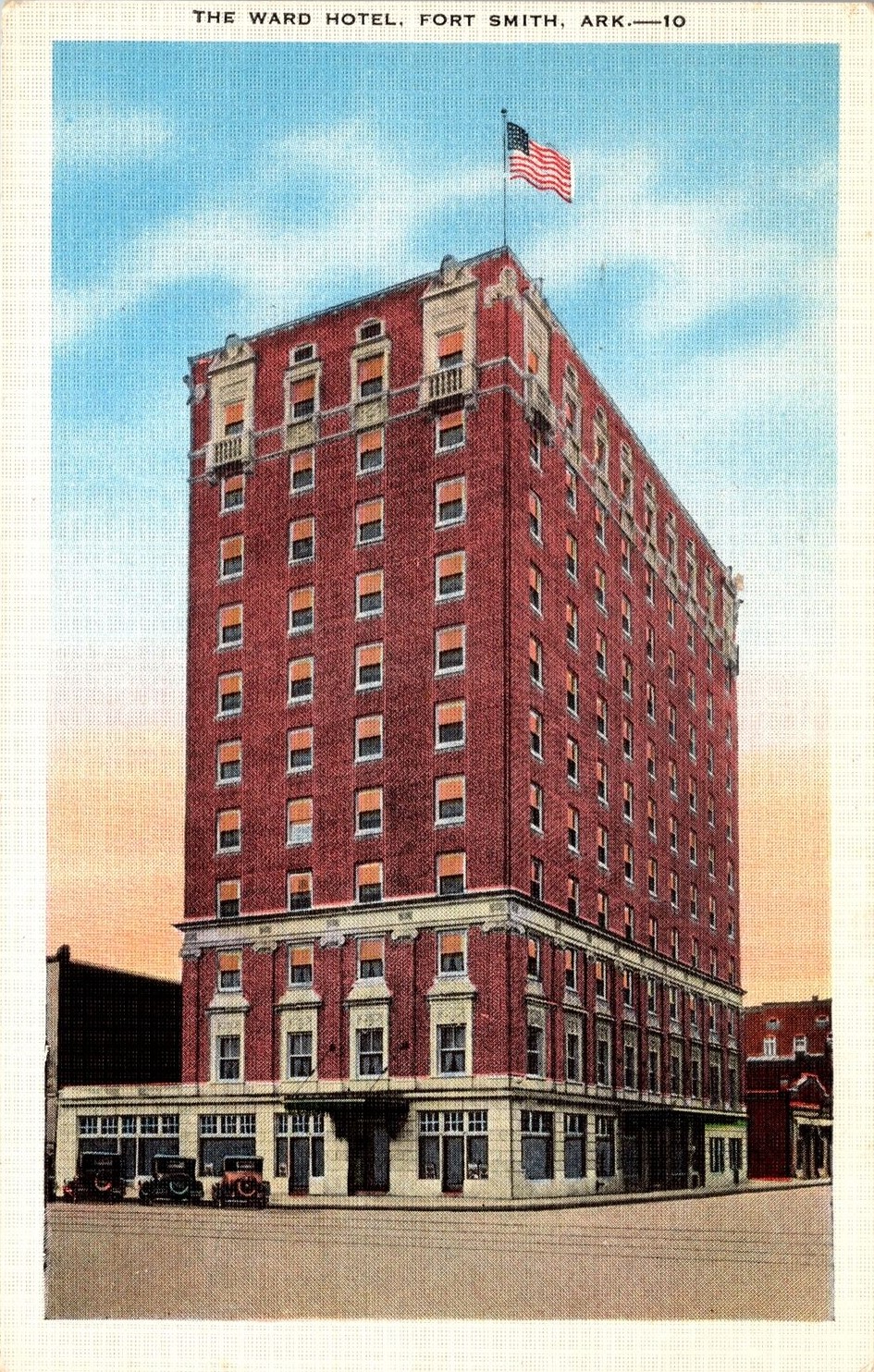
In 1942, Leo volunteered for the Army Air Force and served as a B-17 Crew Chief at a flight training base in Ardmore, Oklahoma. When he was discharged in 1946, the family had grown to love the milder climate and settled in Fort Smith, Arkansas. There, Leo went to Draughon’s business school at night and worked at the Ward Hotel, the first in what would become life-long work in the hospitality industry. It was there that he met builders Robert S Mitchell of Tulsa and Glenn Bennett of Oklahoma City.
In 1955, the Trennepohl family moved to Tulsa to open Mitchell and Bennett’s Flamingo Motel on US Highway 66. The Flamingo (today the Western Inn) at 5915 E 11th Street. “Things weren’t quite finished yet,” Gary Trennepohl remembered, who was in fourth grade when they moved to Tulsa and lived in a two bedroom apartment behind the office. “Dad had me help with room clean up, take ice to the rooms, work the desk, and help check guests in. I even ran the switchboard to make phone calls!” Gary recalled the owners of the nearby restaurant, Creech’s, which became McCollum’s a few years after the Flamingo opened.
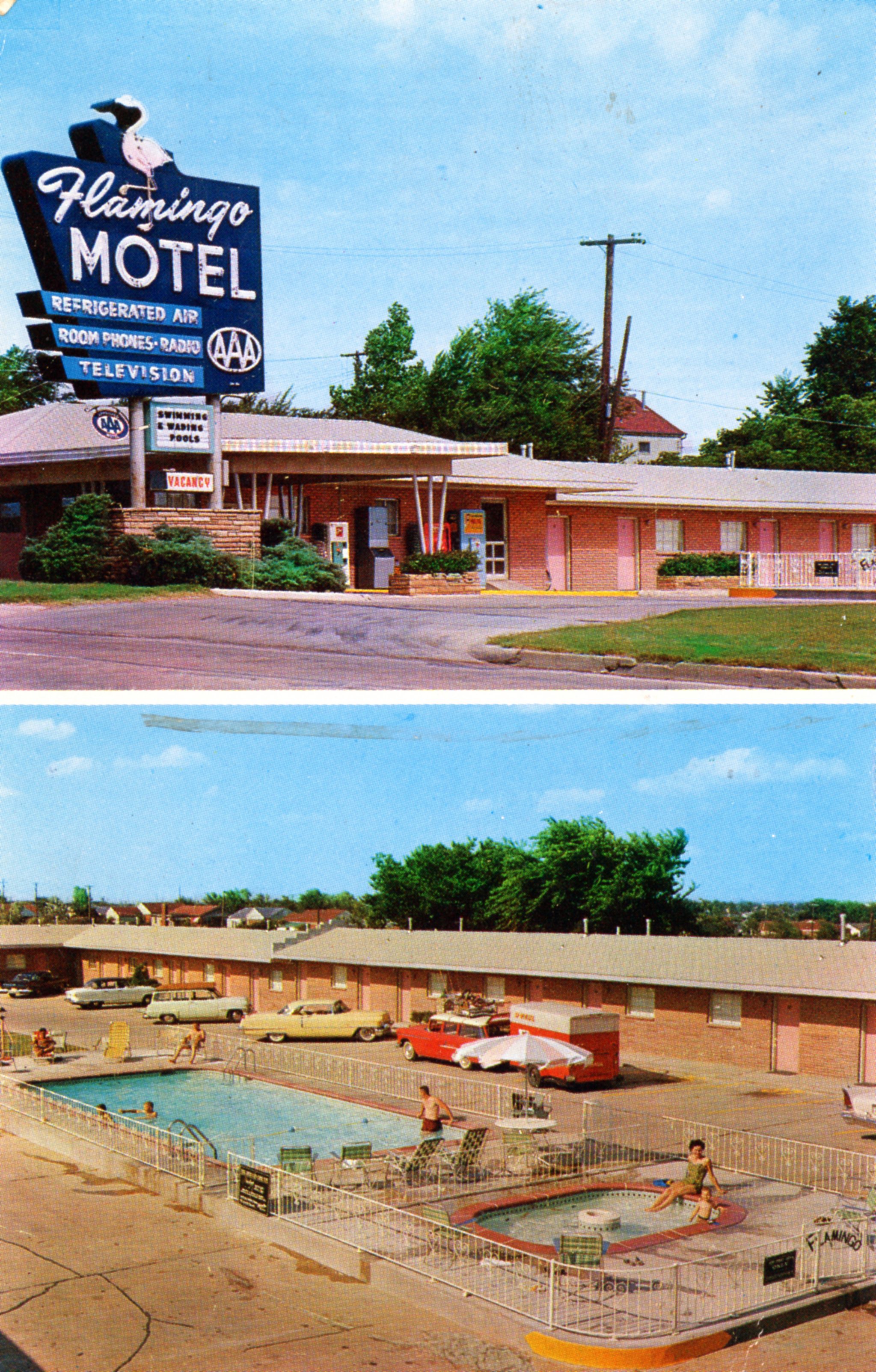
“It was a 24/7 job,” Gary continued. “If someone came in a 2:00 AM, they’d ring the bell and Dad would get up and rent a room if one was available. It was a different kind of business back then, much more personal and hands-on.” About two years after it opened, a swimming pool was added to the Flamingo and that made Gary very popular on his little league baseball team. “We had travelers from around the country, and some from out of the US. Europe, Canada. It was fun trying to learn the different cars, where people were from. It was a much different growing-up place than in a neighborhood in the house. It made you much more worldly and aware of other people.” Route 66 was a popular tourist route for people from everywhere.


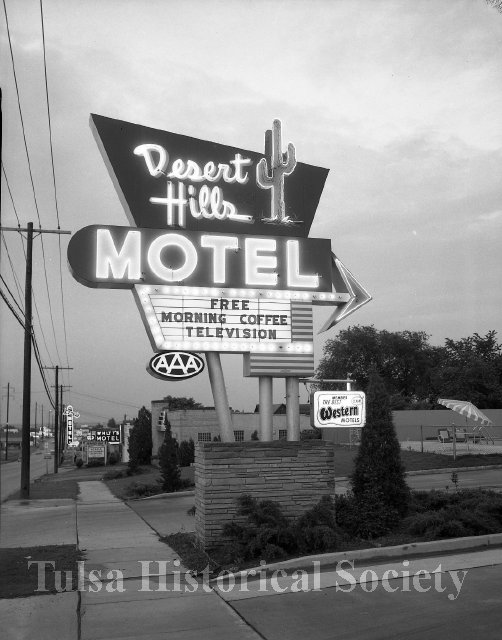
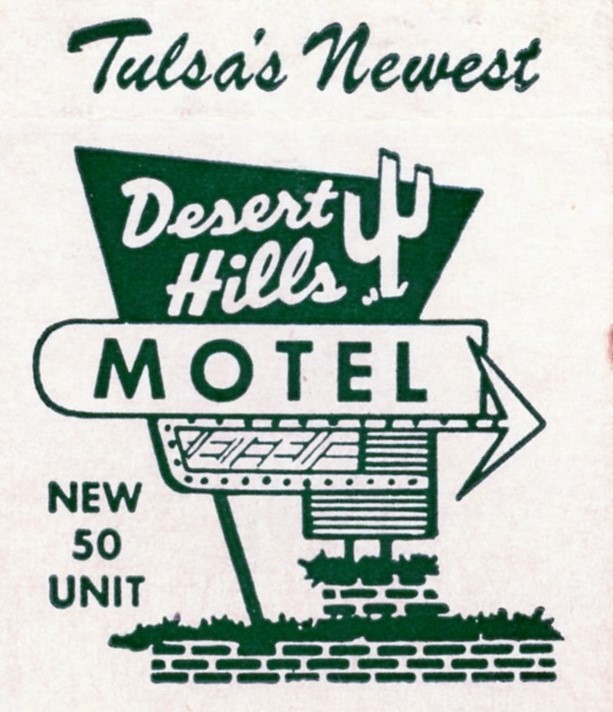
In 1957, the Desert Hills Motel was built just down the road also by Mitchell and Bennett. That stretch of Highway 66 was full of places to stay; within walking distance you could also stop at the Will Rogers Motor Court, the Tulsa Mo-Tel, Whitt’s Motel, Cook’s Court, Sheridan Hills, and more. Sometimes Leo would take a drive down to the other motels and count cars in the lot to compare business. The big change came in 1959, when the Skelly Bypass (later Interstate 44) opened up. 11th Street became “Business 66” and the clientele started to change. Soon after, the Trennepohls were put in charge of the Desert Hills.
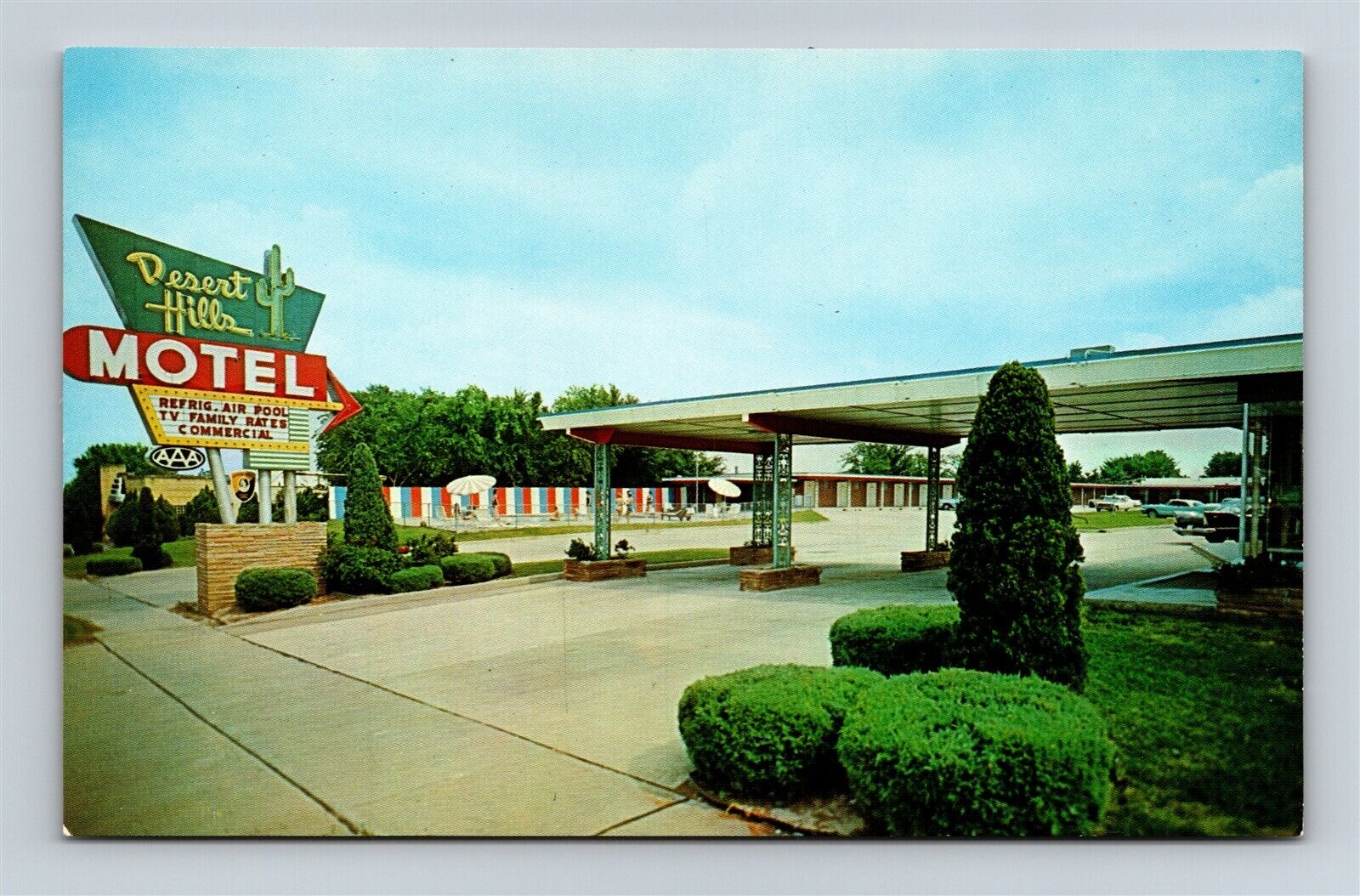
“It was similar to The Flamingo,” said Gary, “just bigger and newer. It had a pool already, vending machines. Dad really catered to making it more of a Commercial Man’s motel.” Traveling salesmen were thick on Route 66 and the summer months still brought in cross-country travelers. But it was the salesmen, which would often stay for several days or even weeks at a time, that brought back the strongest memories years later. “Some of them didn’t even have a home, they’d stay at motels a month or two. Dale Hyatt was one of them, he worked for Fender guitar and did quite well. He’d stay there a LOT! He’d like to go play golf; he got me lessons and would take me out to play a few times a week. He also bought a ski boat that he kept at the motel and we could use it whenever we’d want to.” Gary paused. “We learned later that his son was killed in Viet Nam.”
Late in the evenings, there would often be a poker game in the motel laundry room among the men that had made the Desert Hills their temporary home. “One thing you appreciate growing up in that kind of environment is a great appreciation for small business owners and entrepreneurship,” Gary said. “I learned a lot about business and life, being there all the time. When I got to high school Dad would try to teach me bookkeeping. You kept a cash ledger and he’d teach me how to do that.”

As traveling habits continued to evolve. Leo decided he’d rather build motels than run them. He built in Fort Smith, Joplin, Carthage. It was a good life. When Leo and Wilma retired, they bought an Airstream and decided to switch roles with the customers they had served for so many years. They traveled throughout the United States, Mexico, and Canada for over two decades. Leo passed away in 2006; he and Wilma had been married for 68 years. Wilma passed in 2015 at 97 years old.
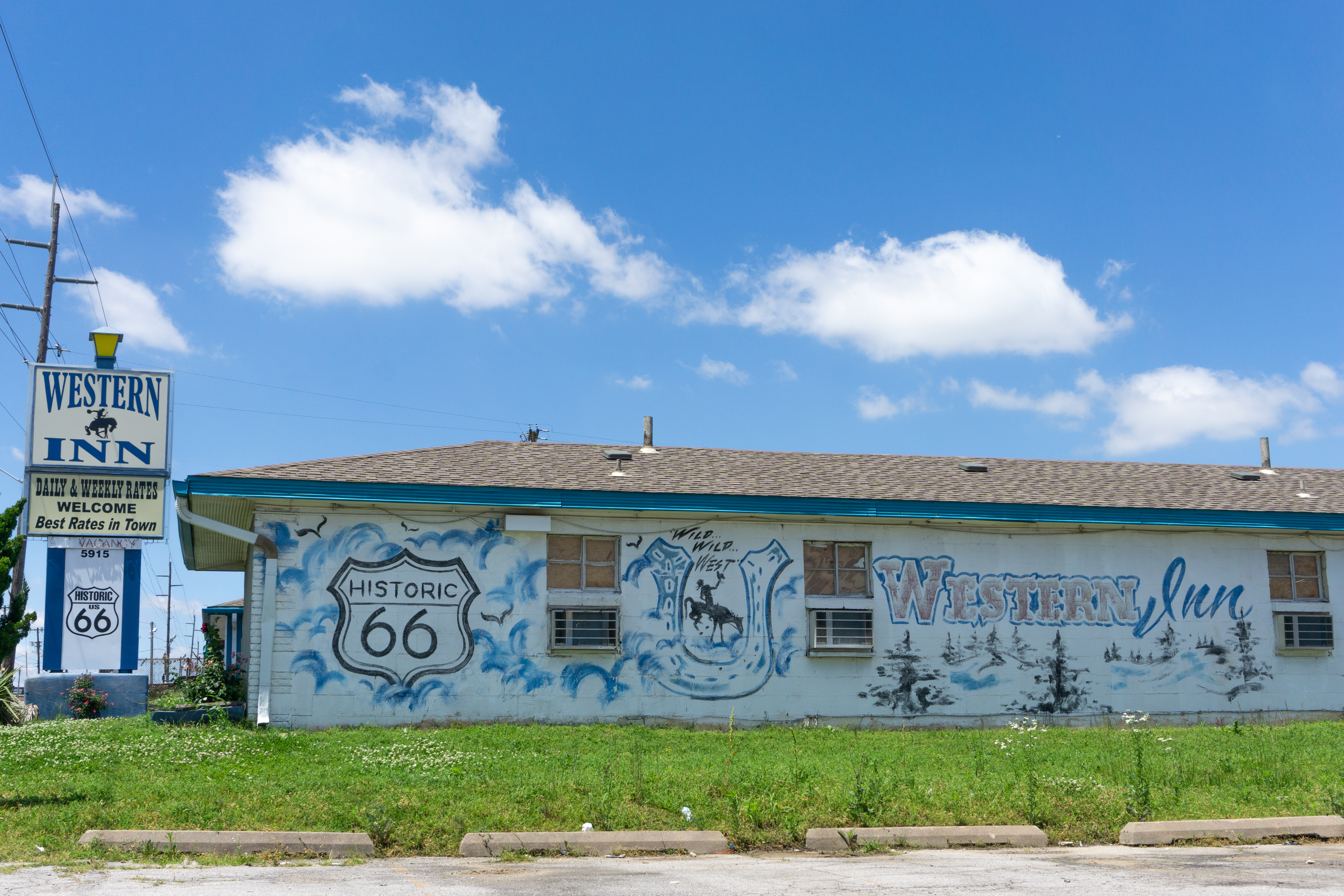
The Flamingo Motel’s iconic neon sign blew down in a windstorm in 1987. Isharr Patel purchased it and renamed it the Western Inn, which it remains to this day. The Desert Hills was purchased by Jack Patel in 1996, a few years after he became a US Citizen, and it underwent a full renovation. The Desert Hills continues to enjoy business bolstered by the revitalization of Historic Route 66. The iconic neon sign out front attracts photographers from around the world; as an added bonus, Jack has installed a 1957 Chevy next to the sign in front of the office. Don’t miss the ‘3ONTREE’ license plate!
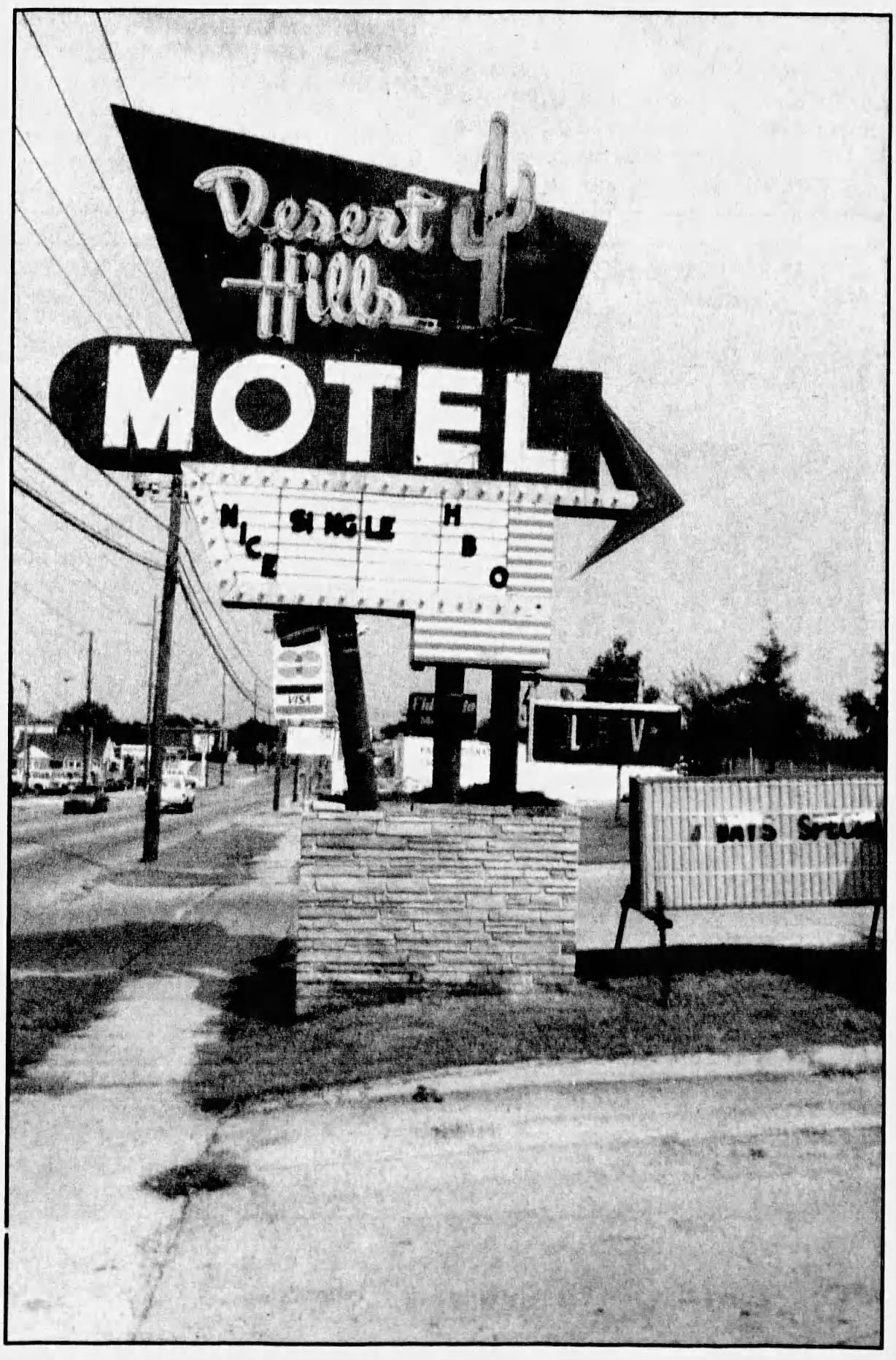
So, next time you pass by that glowing neon cactus on Tulsa’s Route 66, think about Leo and Wilma and the legacy that all of the motel owners from a bygone era have left for future generations. It’s part of the fabric that makes Historic Route 66 the experience it is today.
 Rhys' Pieces
Great read Rhys! You and I share the same passion about Tulsa history. I’m documenting what I can on video because old things in Tulsa often meet the wrecking ball. Keep up the great work!
I really enjoyed your piece, my dad was not a traveling salesman but the manager of Westinghouse Electric at 12th and Sheridan. After my folks divorce he lived in 11th street motel for quite a while trading between the Flamingo, Will Rogers, Sheridan Hills etc. I spent many nights with him there. It was quite an adventure.